Hello, my name is

Anthony Poon.

I build technology to support communities!

I design and build technology solutions and evaluate their impact on the work of professional users and the lives of underserved stakeholders. I use a wide variety of methods to flexibly address abstract problems in healthcare, education, e-commerce, and other domains. I’m passionate about designing with communities to strengthen and prepare them for the future!

About Me

I am a senior designer, software engineer, and researcher with over 18 years of experience of creating robust technology solutions and evaluating their impact with communities of professional users and underserved stakeholders.

I have a strong background in program leadership and collaborating across domains in both international and domestic contexts. I’ve worked extensively in public health, education, labor, finance, and e-commerce and navigated their unique challenges of regulatory regimes, high security environments, specialized user needs, and unreliable power and internet infrastructure.

My work combines software development praxis, strong communication skills, mixed research methods, and diverse perspectives to build for the future and strengthen communities.

Most recently, I served as a senior technical advisor at the International Training and Education Center for Health (I-TECH) at the University of Washington where I developed new health information systems and trained public health informaticians.

Here are some skills relevant to the projects that I've worked on recently:
  • Program Leadership and Management
  • Software Engineering and Architecture
  • Participatory Design Methods
  • Qualitative and Quantitative Research
  • Instructional Design and Teaching
  • Community and Stakeholder Engagement

Experience

Senior Technical Advisor - University of Washington
November 2022 - October 2025

I provided technical consulting, project management, curriculum development, and teaching on multiple programs with the International Training and Education Center for Health in the School of Public Health.

  • Led development of a national electronic disease surveillance system in Ukraine in collaboration with multiple national and international stakeholders. Designed data-sharing, analytics, and governance frameworks that reduced disease reporting time, increased the scope and types of disease surveillance, and enabled Ukraine to more readily detect and respond to public health threats.
  • Taught and created curriculum for a multi-year fellowship program with 10+ countries in Eastern Europe, Central Asia, and South America, focusing on interoperability, data governance, data science, project management, human-centered design, and software development. Mentored 30+ fellows resulting in improved staff technical capacity and creation of new informatics and data analysis tools.
  • Evaluated training programs, dashboards, and other tools for rural epidemiologists in cross-border towns in South America, large animal veterinarians in Washington State, and public health specialists in Zanzibar. Used mixed-methods assessment to measure program efficacy, user satisfaction, and impact on data-driven decision making.
  • Built toolkits for national health information systems mapping and strategic planning. Developed recommendations for Peru to improve interoperability of national health information systems.
Graduate Researcher - Cornell University
August 2016 - August 2022

I designed technology, planned and organized studies, conducted mixed-methods data collection and analysis, and published and presented research in journals and conferences. I worked with faculty in the Departments of Information Science and Global Development.

  • Co-designed, created, and evaluated a virtual peer support platform with home care workers in New York City, leveraging participatory design and ethnographic research. Resulted in more community connectedness and empowerment among an isolated workforce.
  • Developed and deployed a SMS and WhatsApp-based exam preparation tool for secondary school students in Cameroon in collaboration with local educators and NGOs and evaluated it with statistical and focus group methods. The study aid increased student engagement, encouraged collaborative studying, and helped students identify their knowledge strengths and weaknesses.
Software Development Engineer II - Amazon
June 2009 - August 2016

I designed and built highly available and secure software services and web applications in the Global Payments Platform.

  • Engineered and maintained high-volume payments software services that securely processed millions of transactions per hour with dozens of global digital payment platforms partners. This enabled expansion to multiple international markets (e.g.: India, Brazil, Spain, etc.), introduction of new payment methods (e.g.: electronic bank transfers, mobile payment, etc.), and reduced payment processing costs (e.g.: debit card processing).
  • Architected an enterprise system bus that provided interoperability between multiple partner APIs using a shared data model. Designed a pluggable architecture for this platform so that independent teams could integrate with new partners without direct access to sensitive customer data.
  • Implemented a web widget service that standardized customer checkout and payment method management across platforms. This unified the user experience and code base across Amazon websites and apps.
  • Built and implemented internal tools, including data dashboards, operations management tools, integration testing mocking services, data serialization libraries, and others.
  • Mentored junior developers, encouraged design review processes, software development best practices, and supported the needs of peers.
Research Assistant - University of Washington
September 2007 - June 2008

I wrote software, conducted testing and data collection in the field, and published research.

  • Created a graphical interface for browsing and summarizing large and diverse data sets including GPS traces, photographs, audio, and ML-annotated activities.
  • Gathered data and field-tested a mobile system for capturing state and context of soldiers using the ASSIST tracking device.

Projects

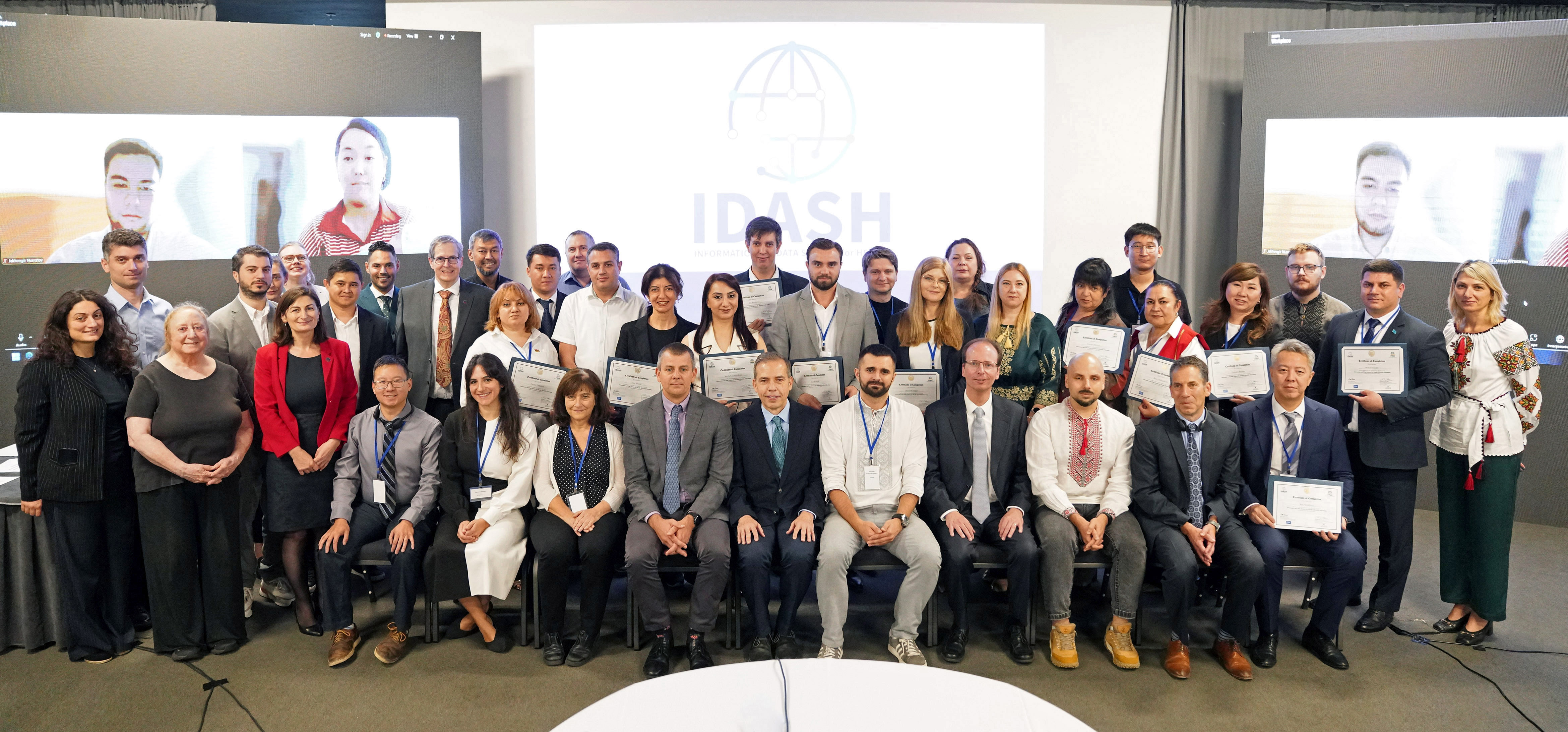
Informatics and Data Science for Health (IDASH) Fellowship

Multidisciplinary and international teams of epidemiologists and IT specialists learned practical skills in data science, data governance, human-centered design, interoperability, and project management that helped their organizations make better, data-driven decisions.

Electronic Public Health Surveillance and Syndromic Surveillance in Ukraine

Modernizing Ukraine's disease-tracking system by replacing manual reporting with a new nationwide digital system to enable doctors to report health issues faster, public health officials to spot outbreaks sooner, and support new types of public health data.

Home Care Workers in NYC

Designing technology to enable peer support, community empowerment, and address professional needs among home healthcare workers in New York City.

Architectural Design

Designing and building multi-functional furniture that creates adaptable, liveable spaces with a focus on versatility, creative designs, and bespoke solutions.

PICHNET Young Adults

Identifying and supporting the aspirations of Cameroonian young adults as they transition from school to work through mixed-methods research, novel educational technology, and vocational training.

Amazon Payments Portal

A shared payment and checkout user experience across different Amazon sites, saving developer effort to offer payment processing and create a more consistent and full-featured user experience.

Recent Posts
Designing for Peer-Led Critical Pedagogies in Computer-Mediated Support Groups for Home Care Workers

Home care workers (HCWs) deliver essential health services within patients' homes, yet, they are a marginalized workforce vulnerable to exploitation. Critical and liberatory pedagogies can foster material social change, but such pedagogies typically assume the involvement of a professional …

Computer-Mediated Sharing Circles for Intersectional Peer Support with Home Care Workers

Home care workers (HCWs) provide essential care in patients' homes but are often underappreciated and work in stressful and isolated environments with diverse and intersecting support needs. This paper describes a computer-mediated peer support program that centers around sharing circles: …

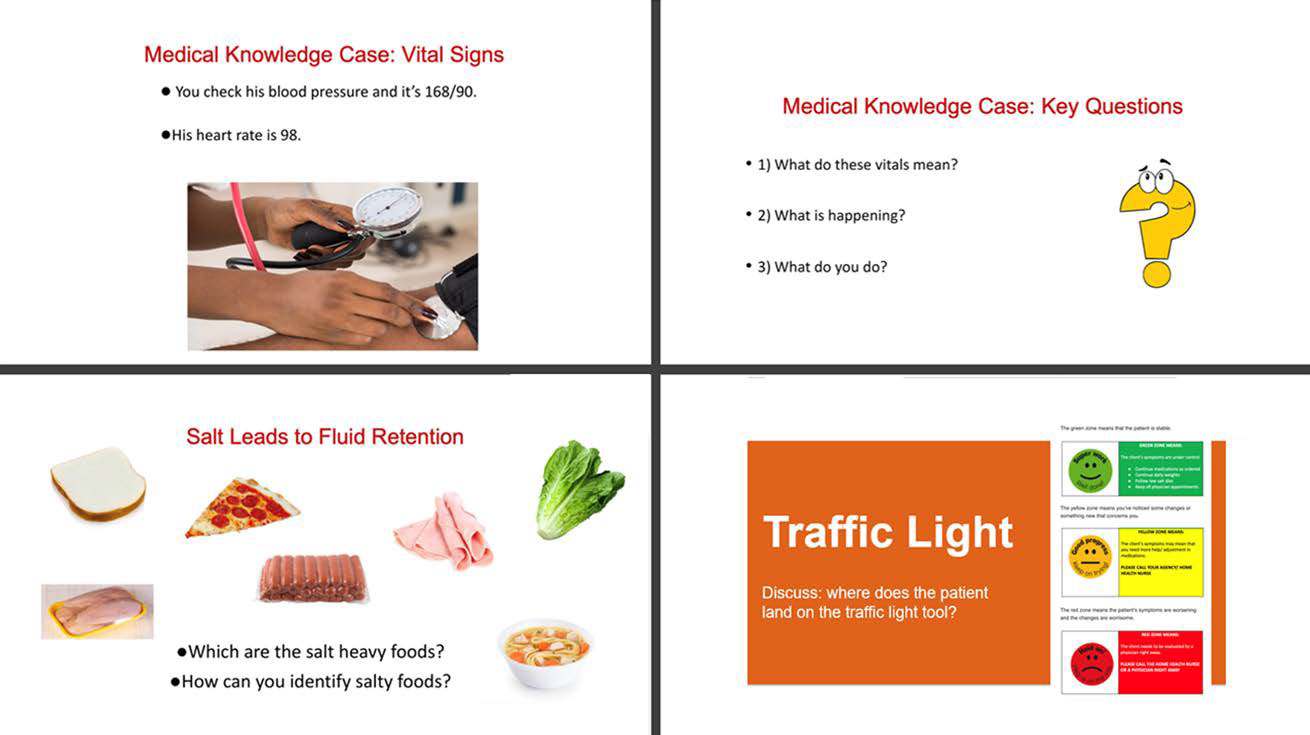
Development and Piloting of a Community-Partnered Heart Failure Training Course for Home Health Care Workers

Despite their unique contributions to heart failure (HF) care, home healthcare workers (HHWs) have unmet educational needs. To address this, we used a community-partnered approach to develop and pilot a HF training course for HHWs. We evaluated the course on feasibility, acceptability, and …

See All Posts...

Contact